



Which is the best rewards credit card in Sweden in 2026?
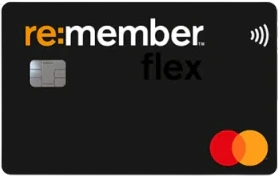
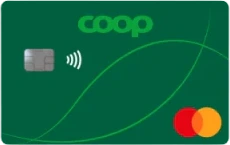
Bank Norwegian is the best rewards credit card in Sweden for most people in 2026 because it has 0 SEK annual fee, 0.5% cashback and useful travel rewards. Re:member Flex is strongest for online partner discounts, Coop Mastercard is strongest for Coop groceries, SAS Amex Classic is the entry level EuroBonus choice and Strawberry Mastercard is strongest for Strawberry hotel rewards.
A rewards card should be judged by real redemption value, not only by how many points it gives. Points are only valuable when you can use them without overpaying, changing your normal spending or letting the points expire.
What is a rewards credit card?
A rewards credit card gives something back when you spend with the card. The reward can be cashback, points, miles, grocery bonus, hotel points, train points or partner discounts.
What is the difference between cashback, points and miles?
Cashback gives the clearest value because it can be measured in SEK. Points and miles can be more valuable, but the value depends on redemption rules, availability and whether the program fits your habits. A flight point is weak if you rarely fly, and a grocery point is weak if you shop elsewhere.
How do Swedish reward programs pay out value?
Swedish reward programs usually pay value through invoice deductions, vouchers, travel points, grocery bonus, hotel stays or partner discounts. Bank Norwegian uses CashPoints, Re:member Flex uses partner discounts, Coop uses grocery bonus and SAS cards use EuroBonus points.
Cashback vs points vs miles: Which reward is best?
Cashback is best for predictable value, points are best for partner programs you already use and miles are best for frequent travellers. The wrong reward type can make a high earning rate almost worthless because redemption rules decide the real value.
When should you choose cashback rewards?
Cashback is easiest to compare because 100 SEK in value is 100 SEK in value. If you want simplicity, start with cashback credit cards before choosing more complex points programs.
When should you choose partner points?
Points work best when the partner program has products or discounts you already buy. Coop points, hotel points and shopping rewards can all be valuable when the redemption path is natural.
When should you choose miles or EuroBonus points?
Miles and EuroBonus points can be valuable for frequent travellers, but they are less flexible than cashback. They depend on award availability, expiry rules and whether you travel with SAS or another partner often enough.
What are reward points worth on Swedish credit cards?
Reward points on Swedish credit cards can be worth less than 0.5% or more than 2% depending on the program and redemption. A simple cashback card can therefore beat a points card if the points are hard to use, locked to the wrong partner or lost through annual fees.
How much are rewards worth per 10,000 SEK spent?
At 10,000 SEK of monthly spending, a 0.5% reward equals 600 SEK per year and a 1% reward equals 1,200 SEK per year. A card with 395 SEK annual fee must beat 395 SEK in yearly reward value before it creates a profit.
Which redemption limits can reduce reward value?
Points can expire, lose value or become harder to redeem. Always check expiry rules and redemption limits before choosing a card because they decide whether the reward is actually usable.
Which rewards card fits your spending pattern?
The best rewards card is the card that matches your largest normal spending category. Grocery shoppers, online shoppers, frequent flyers, hotel guests and train commuters should not choose the same card.
Which rewards card is best for groceries and everyday purchases?
Coop Mastercard is strongest for people who buy groceries at Coop because it gives up to 5.5% Coop bonus. A general no fee rewards card such as Bank Norwegian is better if your grocery spending is spread across many stores.
Which rewards card is best for shopping and partner stores?
Re:member Flex is strongest for online shopping through partner discounts in more than 300 stores. It works best if you check the partner portal before buying and already shop in the connected stores.
Which rewards card is best for travel, hotels and transport?
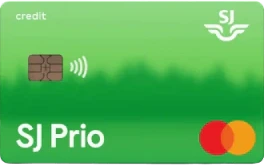
Bank Norwegian, Marginalen Traveller, SAS Amex Classic, Strawberry Mastercard and SJ Prio Mastercard all target different travel patterns. The best choice depends on whether you fly with Norwegian or SAS, stay at Strawberry hotels or travel by train.
How do we rank rewards credit cards?
We rank rewards cards by expected yearly value after annual fee, payout flexibility, reward quality, redemption difficulty, expiry rules, card acceptance and payment costs. Discontinued cards and inactive products are not included as recommendations.
We prefer cards with simple value and broad use. A high points rate is penalized if the reward is difficult to redeem, locked to a narrow partner, limited by poor acceptance or outweighed by annual fee and interest.
How do you choose a rewards credit card in Sweden?
Choose a rewards credit card by comparing annual fee against expected reward value. Then check where the reward can be redeemed, whether points expire and whether the card is accepted where you shop. A rewards card is only good if the reward fits your real behaviour.
How do you compare annual fee against reward value?
A paid rewards card must earn more than its annual fee. If your expected yearly reward is 800 SEK and the annual fee is 395 SEK, the net value is 405 SEK before any other costs.
Where can Swedish card rewards be redeemed?
Swedish card rewards can be redeemed through invoice credits, grocery bonus, partner discounts, hotel stays, flights, train rewards and travel portals. A hotel card is weak if you rarely stay at that hotel chain, and airline miles are weak if you do not fly with the partner airline.
Why should you avoid cards that reward stores you do not use?
Partner rewards can look generous but become worthless if the stores are irrelevant. Pick the card around your real spending pattern.
How do you maximize credit card rewards?
Maximize credit card rewards by paying in full, using the right card for the right category and tracking caps, expiry dates and redemption rules. Rewards should be a rebate on normal spending, not a reason to spend more.
Why must rewards cards be paid in full every month?
Interest costs quickly erase points and cashback. Rewards cards are best for people who already pay the full invoice every month because effective interest around 18% to 24% is far higher than normal reward rates.
Should you use different cards for different categories?
Yes, different cards can work for different categories, but only when the added reward is worth the complexity. One card can be best for groceries, another for travel and another for online shopping, but missed payments can destroy the extra value.
What costs and risks matter with rewards credit cards?
The biggest risks are annual fees, interest, unused points, point expiry, limited acceptance and reward programs that change terms. A no fee card with moderate rewards can be better than a premium card if your spending is low or your redemption pattern is uncertain.
Rewards cards also require discipline. If you carry a balance, prioritize low interest over points.