


Which is the best credit card in Sweden in 2026?
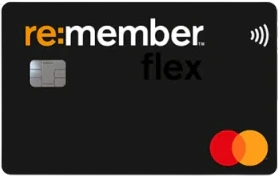
Re:member Flex is the best credit card in Sweden in 2026 for online discounts, with no annual fee, up to 56 interest-free days and discounts through re:member reward. Bank Norwegian is a strong no annual fee card for bonus and travel. The card has 0 SEK annual fee, up to 45 interest-free days, a credit limit up to 150,000 SEK and CashPoints on everyday purchases. It also includes travel insurance when at least 50% of the trip is paid with the card.
The best card depends on how you spend. Re:member Flex is stronger for online discounts because it gives up to 25% discount in more than 300 partner stores. FOREX Credit Card is stronger for foreign currency purchases because it has 0% foreign transaction fee. Coop Mastercard is stronger for Coop groceries, while American Express Platinum Card only makes sense if lounge access, concierge and travel insurance justify the 7,800 SEK annual fee.
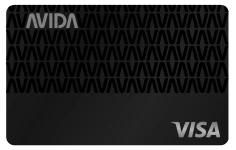
Avida Black for purchases abroad
Avida Black has no annual fee or foreign transaction fee and offers up to 45 interest-free days. Its supplementary travel insurance applies when at least 75% of the trip is paid with the card and covers trips of up to 60 days. ATM withdrawals cost 3%, minimum 40 SEK.
How do credit cards work in Sweden?
Credit cards in Sweden work as a separate credit line attached to a payment card. You pay with the card during the month, receive an invoice later and avoid interest if you pay the full balance before the due date. If you split the payment, the issuer charges nominal and effective interest.
What is the difference between a credit card and debit card in Sweden?
A Swedish debit card takes money directly from your bank account, while a credit card lets you borrow up to a set limit such as 100,000 SEK, 120,000 SEK or 150,000 SEK depending on the issuer. Credit cards can include insurance, cashback, points and chargeback protection, but they also require stronger approval than debit cards.
How do interest-free days and effective interest work?
Most Swedish credit cards offer 45 to 60 interest-free days. Bank Norwegian has up to 45 days, Re:member Flex has up to 56 days and FOREX Credit Card has 55 days. The important number is still the effective interest rate because it includes fees and shows the real borrowing cost if you do not pay the invoice in full.
Can foreigners get a credit card in Sweden?
Yes, foreigners can get a credit card in Sweden, but most issuers require a Swedish personal identity number, BankID, a registered Swedish address and declared income in Sweden. Approval is usually harder for new residents because the issuer sees less Swedish income history, fewer tax records and shorter credit history.
What do Swedish banks usually require from applicants?
Most applications require four things: Swedish personal number, BankID, Swedish residency and enough taxable income. Common income requirements in our card data are 100,000 SEK to 150,000 SEK per year, and the issuer also checks payment defaults, debt level and recent applications through UC or another credit reference agency.
What should you use before you qualify for a Swedish credit card?
Before you qualify for a Swedish credit card, a debit card or prepaid travel card is usually the safest fallback. Revolut, Wise and similar cards can work for everyday payments and travel, but they are not classic Swedish credit cards and should not be compared as credit products.
Which Swedish credit card is best for each use case?
The best Swedish credit card depends on which cost or benefit matters most: annual fee, cash back, partner rewards, travel fees, grocery bonus, interest rate or premium travel benefits. These are the clearest use cases in the Swedish market.
Which credit card is best if you want no annual fee?
On the no-fee side, Re:member Flex is our first choice for online discounts. Bank Norwegian follows with 0 SEK annual fee, a credit limit up to 150,000 SEK, up to 45 interest-free days, 0.5% cashback, 0% ATM withdrawal fee and included travel insurance. Travel costs change the picture because Re:member Flex charges 2.00% foreign transaction fee and 3.00% ATM withdrawal fee.
Which credit card is best for cash back?
For cashback, Bank Norwegian is the simplest choice because it gives 0.5% back on ordinary purchases, has 0 SEK annual fee and still includes travel insurance when at least 50% of the trip is paid with the card. Coop Mastercard is the better cashback card if you shop at Coop, where it can give up to 5.5% Coop bonus and 0.5% on other purchases, but it costs 295 SEK per year after the first year and is weaker outside Coop.
Which credit card is best for points, miles and loyalty rewards?
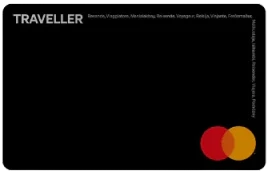
Re:member Flex is strongest when rewards mean online partner discounts rather than cash back: it gives up to 25% discount in more than 300 stores, has 0 SEK annual fee and up to 56 interest-free days. If you want broader travel-oriented points, reward cards are harder to rank because Marginalen Traveller gives 1% bonus on all purchases, a credit limit up to 150,000 SEK and 50 interest-free days, but the annual fee becomes 395 SEK after the introductory period.
Which credit card is best for online shopping?
Re:member Flex is best for online shopping because Re:member Reward gives up to 25% discount in more than 300 online stores and the discount is applied through the partner program rather than paid out later as points. The card has 0 SEK annual fee, a credit limit up to 120,000 SEK, up to 56 interest-free days, travel insurance and purchase protections. The weaker parts are the 2.00% foreign transaction fee and the 3.00% ATM withdrawal fee, so it is not the best card for cash withdrawals or heavy travel spending.
Which credit card is best for travel abroad?
For travel abroad, FOREX Credit Card is best when foreign currency spending is the main cost because it has 0% foreign transaction fee and 0% ATM withdrawal fee outside the EU and EEA. That fee profile matters more than rewards when you choose a travel card, although lounge-focused cards can be better for premium trips. The card costs 225 SEK per year, has a credit limit up to 100,000 SEK, 55 interest-free days, 16.74% nominal interest and 19.27% effective interest, and becomes cheaper than a 0 SEK card with a 2% currency fee after about 11,250 SEK of foreign currency spending.
Which credit card is best for groceries?
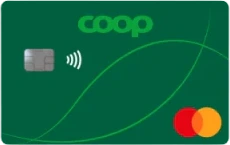
Coop Mastercard is best for grocery shoppers who already buy at Coop because it gives up to 5.5% Coop bonus, 0.5% bonus on other purchases and 55 interest-free days. The card has 0 SEK annual fee in year one and then 295 SEK per year, a credit limit up to 150,000 SEK, 18.80% nominal interest and 18.96% effective interest with e-invoice. The travel cost profile is decent but not best in class: 1.75% foreign transaction fee and 1.5% ATM withdrawal fee with a 35 SEK minimum.
Which credit card is best for broad travel benefits?
Marginalen Traveller is best for broad travel benefits if you want 1% bonus on all purchases, travel-oriented redemption through the points portal and a larger insurance package than most basic cards. It has a credit limit up to 150,000 SEK, 50 interest-free days, a 120,000 SEK yearly income requirement, 16.90% nominal interest and 18.99% effective interest at 20,000 SEK used credit. The costs to count before applying are the 395 SEK annual fee after the introductory period, 1.65% foreign transaction fee and 3% ATM withdrawal fee with a 35 SEK minimum.
Which credit card is best for low interest?
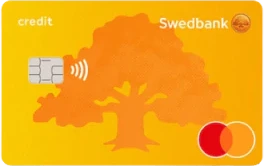
Swedbank Mastercard is best for low interest because it has 13.80% nominal interest and 13.73% effective interest in our data. It also has 55 interest-free days, a credit limit up to 200,000 SEK and included travel insurance, but it has no bonus program and costs 195 SEK per year after the first year. The card is a better fit when borrowing cost matters more than rewards, but the 1.65% foreign transaction fee and 3% ATM withdrawal fee make it less attractive as a travel card.
Which credit card is best for golfers?
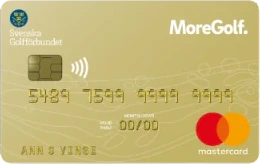
MoreGolf Mastercard is best for golfers because it gives 1% bonus on purchases, 9,000 welcome points and redemption with golf clubs and retailers such as Golfstore and Dormy. The card has 0 SEK annual fee in year one and then 295 SEK per year, 55 interest-free days, 18.49% nominal interest and 19.14% effective interest. It is too narrow for most users, and the value depends on whether golf spending is recurring enough to offset the fee.
Which premium Amex card should you compare?
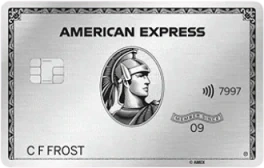
American Express Platinum Card is the premium Amex card to compare if you travel often and can use unlimited lounge access, concierge service and broad travel insurance. It costs 7,800 SEK per year, has 55 interest-free days, 17.99% nominal interest, 28.30% effective interest at 150,000 SEK used credit, 2% foreign transaction fee and 4% ATM withdrawal fee with a 25 SEK minimum. It should be treated as a specialist premium card rather than a default first credit card because Visa and Mastercard still have broader acceptance in Sweden.
How should you compare Swedish credit cards?
You should compare Swedish credit cards by annual fee, effective interest, credit limit, reward value, travel costs, insurance and approval requirements. A high reward rate is not enough if the card has a narrow redemption path, weak acceptance or a foreign transaction fee that costs more than the reward.
Which annual fee and interest numbers matter most?
The annual fee is the fixed ownership cost, while the effective interest rate is the real borrowing cost if you split payments. A 0 SEK card is best if you pay in full, but a lower interest card can be better if you sometimes carry a balance.
Which travel fees matter most on Swedish credit cards?
Foreign transaction fees usually range from 0% to about 2%. ATM withdrawal fees are often 0% to 4%, sometimes with a minimum fixed fee. These two costs decide whether a card is good for travel.
How should you value cashback, points and partner discounts?
Cashback is easiest to value because it gives a direct SEK return. A 0.5% reward on 10,000 SEK per month is worth 600 SEK per year before fees. Points and miles can be more valuable, but only if you redeem them in a program you actually use.
Which insurance conditions should you check?
Travel insurance, purchase protection and price protection can be valuable if they match your spending. Always check how much of the trip must be paid with the card before insurance applies.
What are the requirements for a credit card in Sweden?
The normal requirements for a Swedish credit card are age 18 or older, stable income, no payment defaults and a successful credit check. Many cards in our data require about 100,000 SEK to 150,000 SEK in yearly income, while premium cards can use individual assessment.
Which age, income and payment default rules apply?
Most issuers require at least 18 years of age, but practical approval often depends on income and debt level. A payment default can block approval even if your current income is strong.
Which credit reference agencies check Swedish card applications?
UC is the most common credit reference agency for Swedish credit cards, but some products use other agencies. The check shows income, debts, recent applications and payment defaults.
Why do Swedish credit card applications get rejected?
Applications are usually rejected because of low declared income, too many recent credit checks, high existing debt, payment defaults or missing Swedish credit history.
How do you apply for a credit card in Sweden?
You apply for a credit card in Sweden by choosing one card, checking the basic requirements and signing the application with BankID. The issuer then runs a credit check and gives an approval, rejection or manual review.
- Choose one card based on your spending pattern.
- Check annual fee, interest, income requirement and credit limit.
- Apply with BankID on the issuer’s website.
- Activate the card and choose e-invoice or direct debit.
- Pay the full invoice every month to avoid interest.
How do you use a credit card responsibly in Sweden?
A Swedish credit card is best used as a payment tool, not as long-term borrowing. Pay the full invoice every month, keep the credit limit reasonable and avoid cash withdrawals unless the card has 0% withdrawal fee.
Why should you pay the full invoice every month?
The interest-free period only matters if the full balance is paid on time. If you pay only the minimum amount, the effective interest rate can erase all rewards and benefits.
Why should you keep credit utilization low?
A high used balance can make future applications harder because it increases your visible debt. A lower limit that fits your monthly spending is often better than a large unused credit line.
More English credit card guides
Compare Swedish credit cards by the use case that matters most to you.


