

Which is the best cashback credit card in Sweden in 2026?
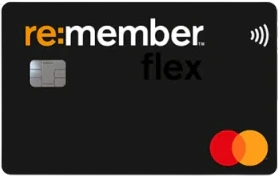
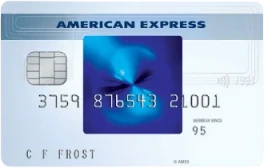
Bank Norwegian is the best cashback credit card in Sweden for most people in 2026 because it has 0 SEK annual fee, 0.5% cashback and broad Visa acceptance. Re:member Flex can give higher value through partner discounts, but it is not pure cashback on all spending. American Express Blue Cashback has 1.25% flat cashback, but the 420 SEK annual fee and lower Amex acceptance make it less practical as a default card.
The best cashback card is the card that gives the highest net value after annual fee, caps and payout limits. A headline rate is only useful if it applies where you actually spend money.
What is a cashback credit card?
A cashback credit card gives money back or cash-like value when you use the card. In Sweden, cashback can be paid as CashPoints, statement credit, store bonus, partner discount or a direct reduction on future purchases.
Is cashback better than rewards points?
Cashback is better than rewards points if you want predictable SEK value. If a card gives 1% cashback, 10,000 SEK in eligible spending gives 100 SEK in value. Points can be worth more, but only if the redemption program is useful to you.
How is cashback paid out in Sweden?
Cashback in Sweden is usually paid as a credit invoice deduction, bonus points, store vouchers or travel points. Bank Norwegian pays value through CashPoints, Re:member Flex gives partner discounts and Amex Blue Cashback gives a clearer flat cashback model. Always check how the value is paid before comparing the percentage.
How much cash back can you earn in Sweden?
Most Swedish cashback cards give about 0.5% to 1.25% on broad spending, while partner discounts can reach much higher percentages in selected stores. The real yearly value depends on monthly spend, acceptance, annual fee and whether the cashback applies to your actual purchase category.
How much is 0.5%, 1% and 1.25% cashback per year?
At 10,000 SEK monthly card spend, 0.5% cashback is worth 600 SEK per year, 1% is worth 1,200 SEK and 1.25% is worth 1,500 SEK before fees. If a card costs 420 SEK per year, the first 420 SEK of cashback only covers the annual fee.
How do annual fees and caps change net cashback?
Net cashback is cashback minus annual fee and any extra costs. A free card with 0.5% cashback can beat a paid card with 1% cashback if your eligible spending is low.
Which Swedish credit cards give cash back?
Several Swedish credit cards give cashback or cash-like rewards, but they do it in different ways. Some cards reward broad purchases, while others focus on groceries, online shopping, travel or a specific partner program.
Which cards give cashback on all purchases?
Bank Norwegian gives broad value on everyday purchases through 0.5% cashback. American Express Blue Cashback gives 1.25% cashback on purchases, but it has a 420 SEK annual fee and American Express is not accepted everywhere. Marginalen Traveller and MoreGolf Mastercard can also create general reward value, but the payout is tied to specific programs.
Which cards give cashback on groceries, fuel and shopping?
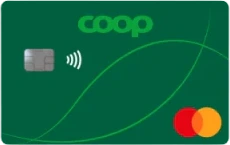
Coop Mastercard is strongest for Coop grocery shoppers because it gives up to 5.5% Coop bonus. Re:member Flex is strongest for online partner discounts because it offers up to 25% discount in more than 300 stores. These are not the same as flat cashback on every purchase.
Which cashback card works best for travel spending?
Travel cashback is best when the card also handles foreign currency costs well. Bank Norwegian has 0.5% cashback and 0% ATM withdrawal fee, but also 1.99% foreign transaction fee. If your main goal is lower travel fees, the currency and withdrawal costs on travel credit cards matter more than the cashback rate.
How do we rank cashback credit cards?
We rank cashback credit cards by net yearly value. The main factors are reward rate, annual fee, payout method, caps, eligible spending categories, interest-free days, acceptance and whether the cashback is easy to redeem. Discontinued cards are not treated as current recommendations even if old SERP snippets still mention them.
The strongest card must give real SEK value without forcing the user into a narrow redemption path. We also penalize cards where interest, invoice fees or foreign transaction fees can quickly erase the reward.
How do you choose the right cashback card?
Choose the cashback card that matches your largest spending category. Everyday spenders should prioritize broad cashback, online shoppers should prioritize partner discounts and grocery shoppers should prioritize grocery bonus value. The wrong category can reduce a high headline rate to almost no real value.
Which spending category should decide your cashback card?
If most of your spending is groceries, a grocery-linked card can beat a general cashback card. If your spending is mixed, a broad no fee card is usually safer.
Why should payout method matter more than headline percentage?
A high percentage is not enough. Check whether the value becomes cash, invoice credit, travel points, vouchers or partner discounts.
How quickly can interest wipe out cashback?
Cashback cards only work if you pay the invoice in full. A card with 20% effective interest can erase several months of 0.5% to 1% cashback after only one unpaid balance cycle.
How do you maximize cash back without overspending?
Maximize cashback by using the card for normal expenses, paying the full invoice and avoiding purchases you would not otherwise make. Cashback should reduce existing costs, not create new spending.
Which expenses should you pay with a cashback card?
Use the card for regular purchases that qualify for rewards. Avoid cash withdrawals, gambling, transfers and invoice payments if the issuer excludes them from rewards.
Should you combine cashback cards by category?
Some users combine one broad cashback card with one category card. That can work, but only if both cards are paid in full and the extra complexity does not lead to missed payments.
What are the main limits and pitfalls with cashback credit cards in Sweden?
The main pitfalls are annual fees, caps, excluded purchases, foreign transaction fees, limited acceptance and interest. A card can advertise strong cashback while still giving weak net value if you use it in the wrong category or where the card network is not accepted. Cashback from normal private card spending is generally treated as a rebate, but business-linked cashback should be checked against Skatteverket guidance.
Cashback is usually best for people with stable monthly spending and strong payment discipline. If you need to carry a balance, a low interest card is more important than cashback.